Mkomazi National Park

Mkomazi National Park

Explore Mkomazi National Park

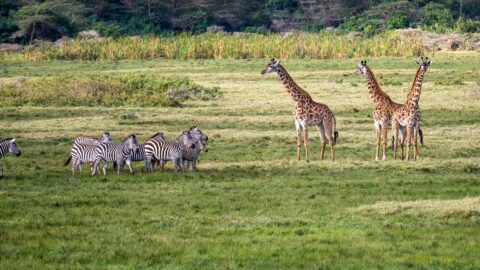
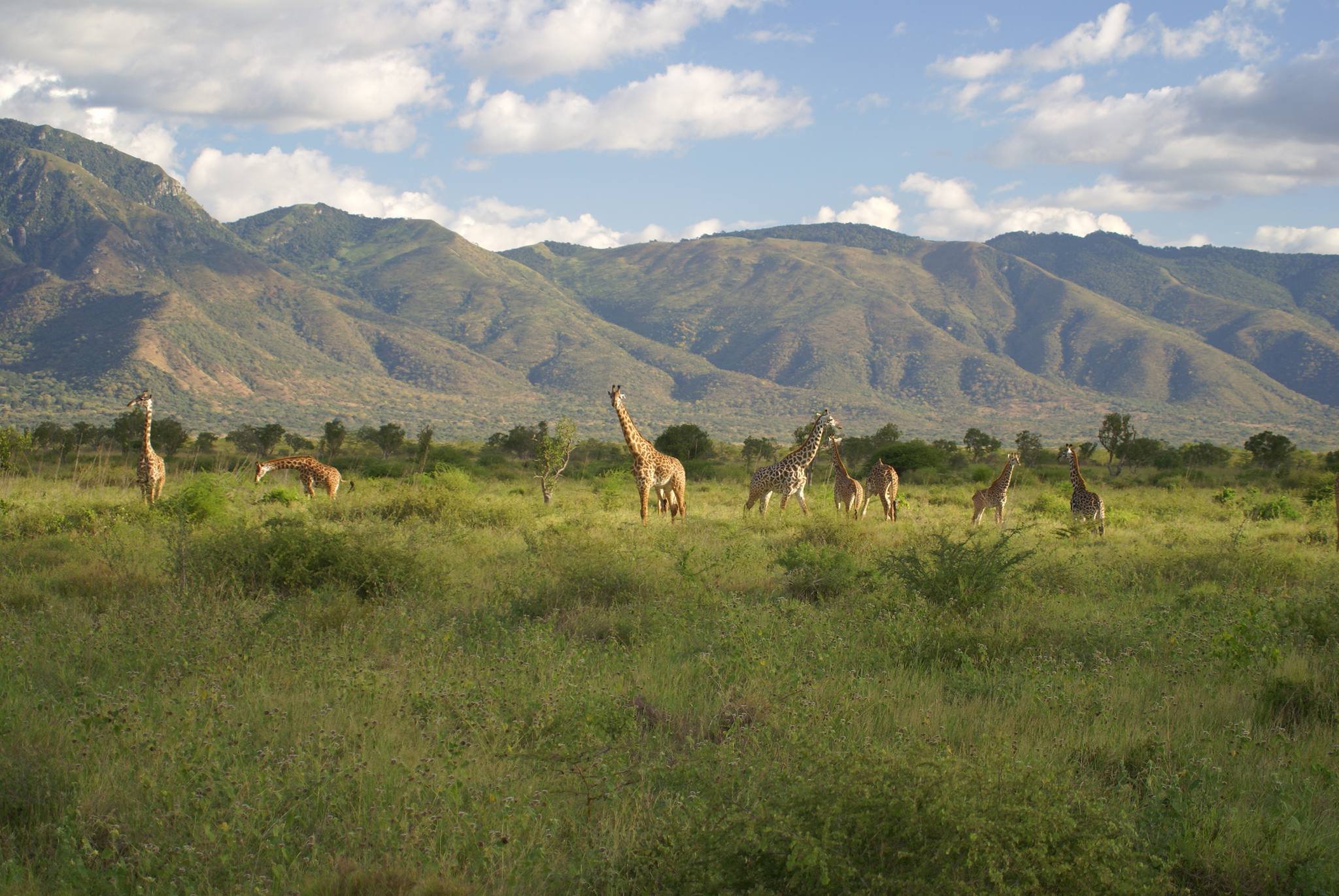
Mkomazi National Park, nestled in northern Tanzania, is a stunning yet often overlooked gem of wilderness. It boasts a unique blend of semi-arid savanna, dramatic landscapes, and rare wildlife, making it a prime destination for conservation enthusiasts and adventurous travelers.
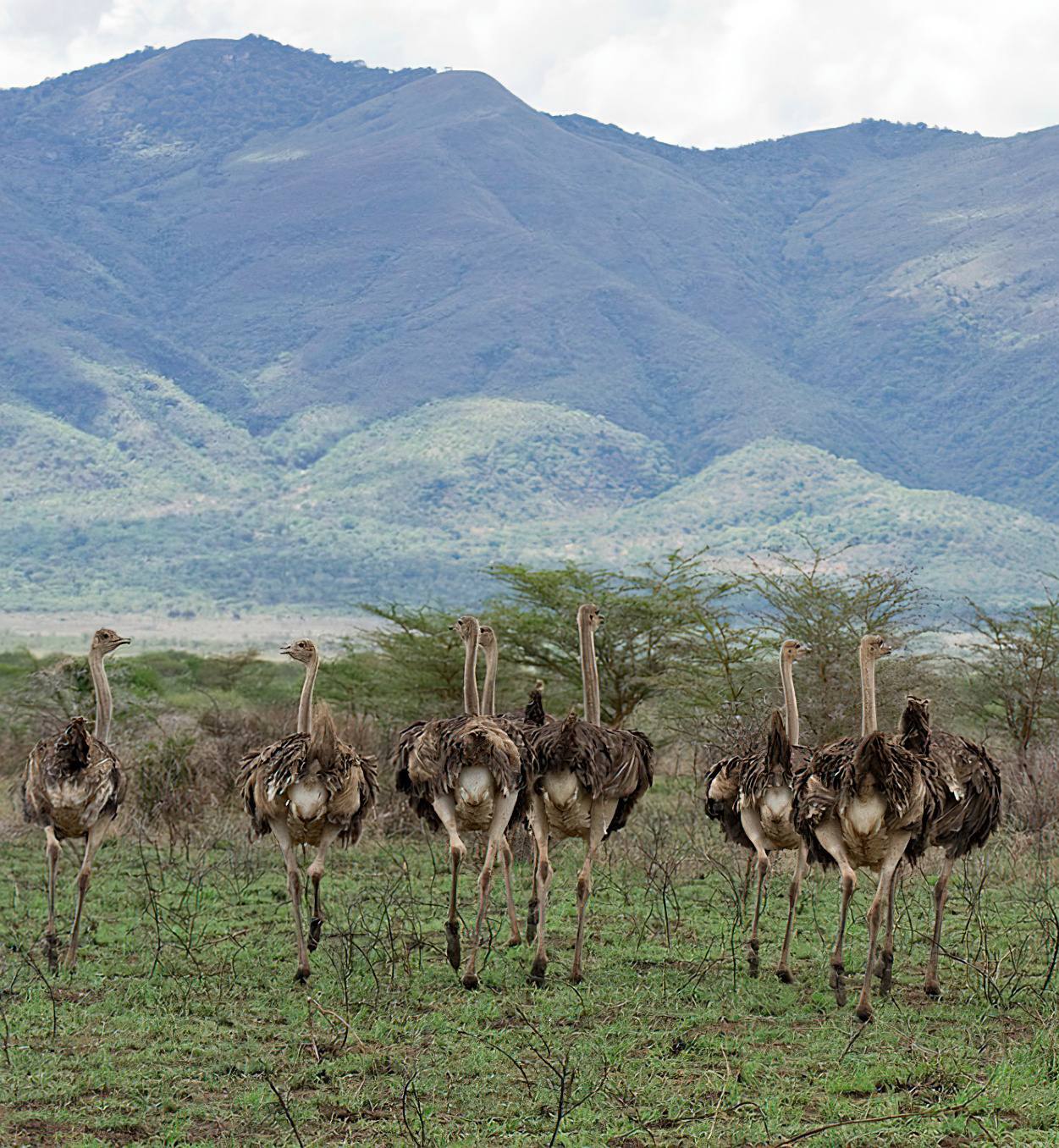
Ostrich in Mkomazi National Park

Park Highlights

Diverse Wildlife

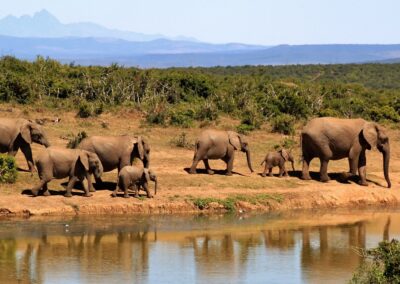
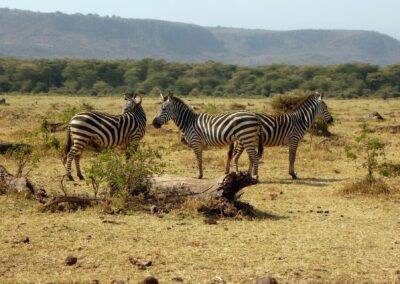
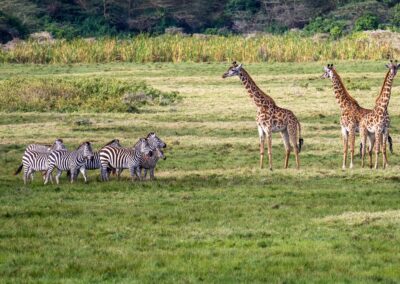
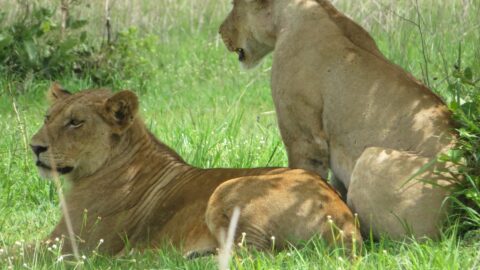
  • Home to endangered species like the black rhino and African wild dog, alongside elephants, lions, giraffes, and over 450 bird species.

Cultural Richness

  • Explore the vibrant traditions of local communities and their harmonious relationship with nature.
  • Bordering Maasai land, offering insight into traditional pastoralist lifestyles.

Stunning Landscapes

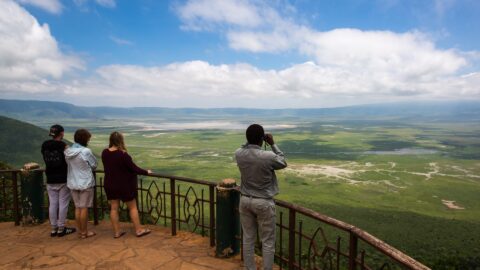
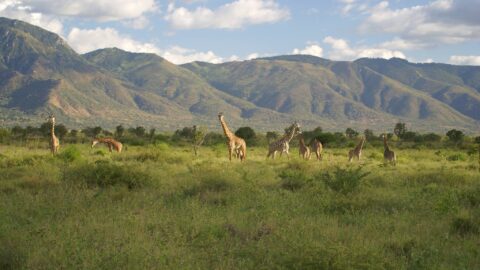
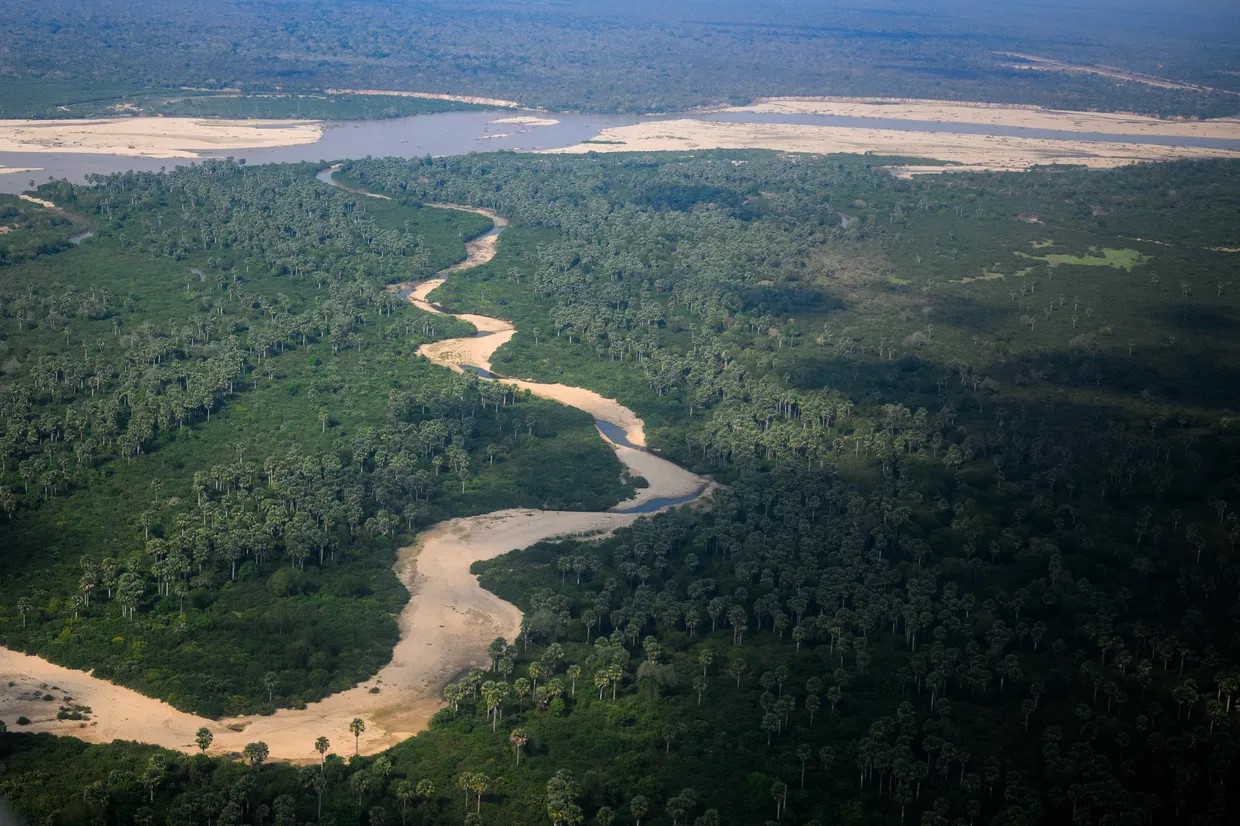
  • Stunning, breathtaking views of the Pare and Usambara Mountains backdrops, acacia woodlands, and dry riverbeds offering striking scenery.

Historical Sites

  • Linked to Tanzania’s early conservation efforts

Scenic Views

  • With breathtaking views of Mount Kilimanjaro to the northwest and the Pare and Usambara Mountains to the south, Mkomazi offers some of the most picturesque landscapes in Tanzania

Exclusive Safari Experience

  • Unlike other crowded parks, Mkomazi offers a peaceful and uncrowded safari experience, allowing visitors to enjoy wildlife without the hustle and bustle

Getting to Mkomazi National Park

Step 1

Start your journey from Dar es Salaam, approximately 450 km (280 miles) away, by taking a scenic 6-hour drive via the A14 highway.

Step 2

Alternatively, fly into Kilimanjaro International Airport, located 200 km (124 miles) from the park, and enjoy a 3-hour drive through the picturesque landscapes.

Step 3

For a budget-friendly option, board a bus from Arusha, which is 190 km (118 miles) away, and reach the park in about 4 hours.

Explore Mkomazi's Wonders

Wildlife Safaris

Embark on thrilling game drives to spot elephants, giraffes, and the endangered black rhino.

Bird Watching

Discover over 450 bird species, including the vibrant Fischer's lovebird and the majestic martial eagle.

Cultural Tours

Engage with local communities and learn about the rich traditions and customs of the Pare and Sambaa tribes.

Walking Safaris

Experience the park's diverse flora and fauna up close with guided walking tours.

Camping Adventures

Set up camp under the stars and enjoy the serene beauty of the African wilderness.

Historical Sites

Visit the ancient rock paintings and historical landmarks scattered throughout the park.

Geological Landscapes

Marvel at the stunning views of the Usambara and Pare mountain ranges.

Photography Tours

Capture breathtaking landscapes and wildlife moments with professional photography guides.

Accommodation Options

Budget Lodging

  • Mkomazi Tented Camp – Affordable bush camping experience
  • Same Town Guesthouses – Nearby local options

Standard Accommodation

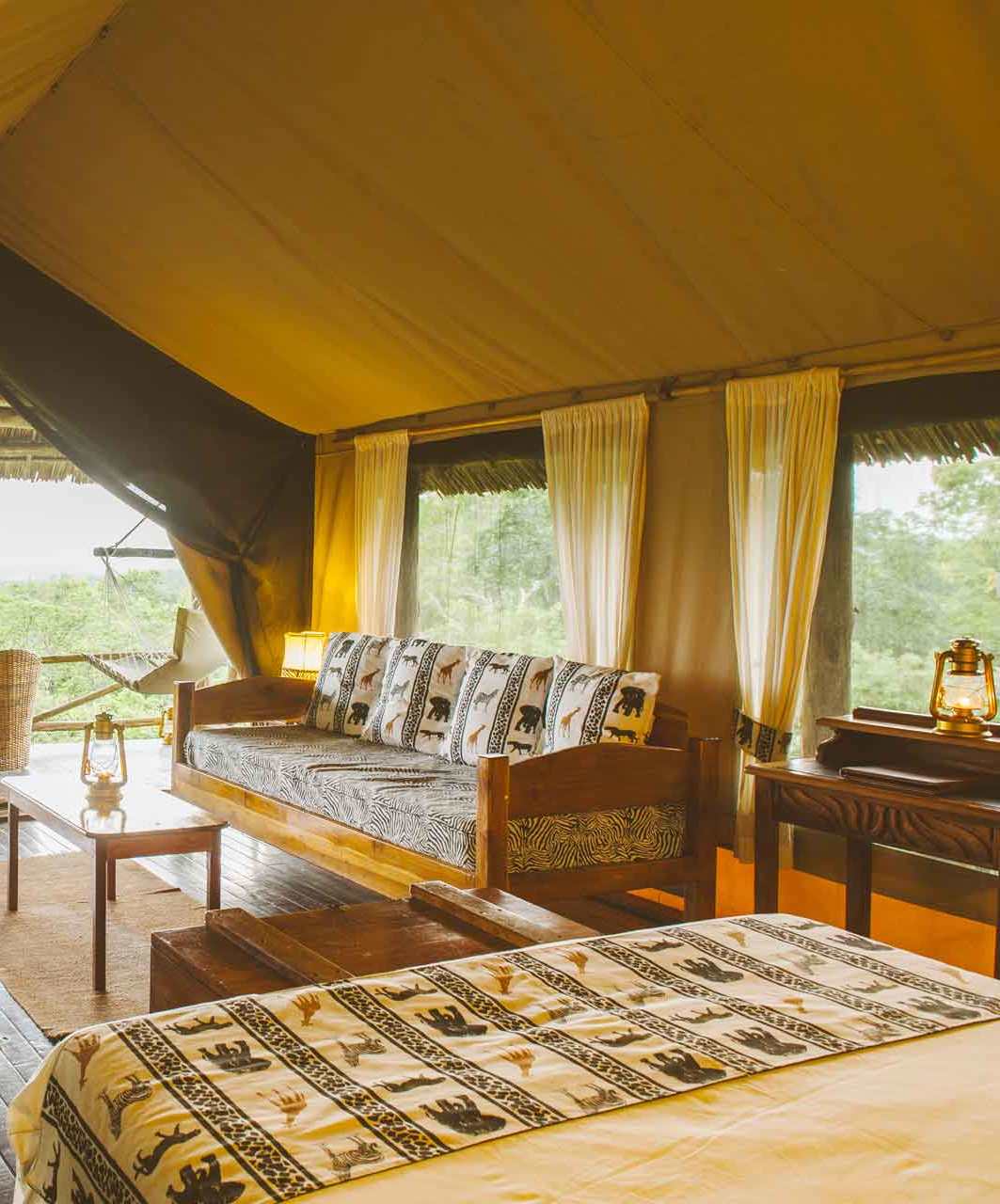
  • Babu’s Camp – Comfortable tented lodge with great wildlife views

Luxury Lodging

  • Kambi ya Tembo – Offers stunning views and top-notch safari comforts

Frequently Asked Questions

Discover answers to common inquiries about visiting Mkomazi National Park, ensuring a seamless and enjoyable experience.

What is the best time to visit Mkomazi National Park?

The ideal time to visit Mkomazi National Park is during the dry season, from late June to October, when wildlife viewing is at its best.

How can I get to Mkomazi National Park?

You can reach Mkomazi National Park by road from Arusha, which is approximately 200 km (124 miles) away, or by flying into Kilimanjaro International Airport and driving from there.

Are there guided tours available?

Yes, guided tours are available and highly recommended to enhance your understanding of the park's unique ecosystems and wildlife.

What wildlife can I expect to see?

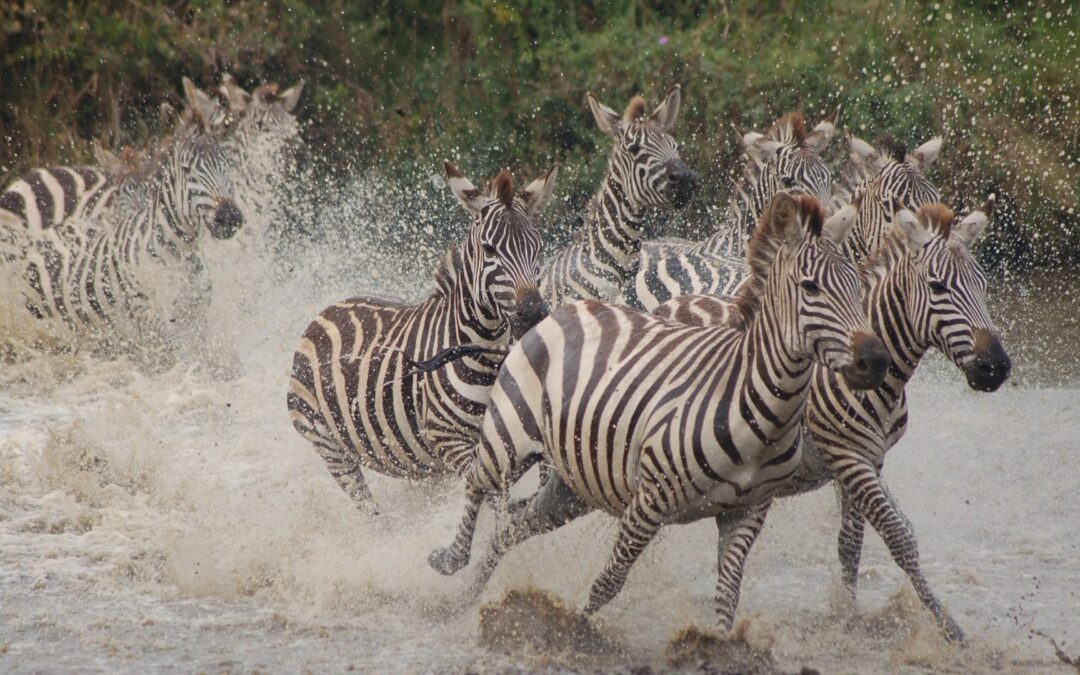
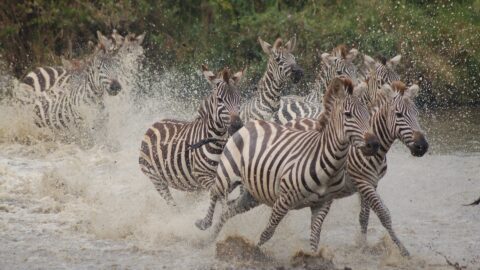
Mkomazi is home to a variety of wildlife including elephants, giraffes, zebras, and the endangered black rhino, along with numerous bird species.

What accommodation options are available?

The park offers a range of accommodations from budget campsites to luxury lodges, catering to all types of travelers.

Join Golden Lion Safaris Ltd WhatsApp Channel

For prompt assistance and valuable insights regarding our exceptional products and the captivating world of tourism in Tanzania, we invite you to engage with us directly.

Join Golden Lion Safaris Ltd WhatsApp Channel

For prompt assistance and valuable insights regarding our exceptional products and the captivating world of tourism in Tanzania, we invite you to engage with us directly.

For urgent inquiries, please reach out to one of the following numbers.

Call now!

+255 765 446 100

WhatsApp Chat:

+255 765 446 100

Email:

info@goldenlionsafaris.com

Location

Engutoto, Arusha, Tanzania.
Nyerere National Park

Nyerere National Park

Discover the Untamed Beauty

Explore Nyerere National Park

Immerse yourself in the breathtaking landscapes and diverse wildlife of Tanzania's largest national park, a true haven for nature enthusiasts.

Unveiling Nyerere National Park

Nyerere National Park, formerly known as Selous Game Reserve, is a sprawling sanctuary that spans over 30,000 square kilometers. Established in 1922, it is one of the oldest and most significant protected areas in Africa. The park is named after Julius Nyerere, the first President of Tanzania, honoring his commitment to conservation. Home to a rich tapestry of ecosystems, including savannahs, wetlands, and forests, Nyerere National Park provides refuge to an array of wildlife species, from elephants and lions to rare birds and aquatic life. Its historical significance and natural beauty make it a cornerstone of Tanzania's ecological heritage.

Unmissable Highlights

Why Visit Nyerere National Park?

Vast Wilderness

Experience the sheer expanse of untouched landscapes, offering a sense of solitude and adventure.

Diverse Wildlife

Encounter a wide variety of animals, including the Big Five, in their natural habitats.

Scenic Boat Safaris

Enjoy unique perspectives of the park's waterways, teeming with hippos and crocodiles.

Rich Birdlife

Spot over 440 bird species, making it a paradise for birdwatchers.

Cultural Heritage

Explore the historical significance and cultural richness of the region.

Eco-Friendly Lodging

Stay in sustainable accommodations that blend luxury with environmental responsibility.

Attractions in Nyerere National Park

The Rufiji River
The Rufiji River

Experience the breathtaking beauty of the Rufiji River, where wildlife gathers along its banks, offering perfect opportunities for boat safaris and bird watching.

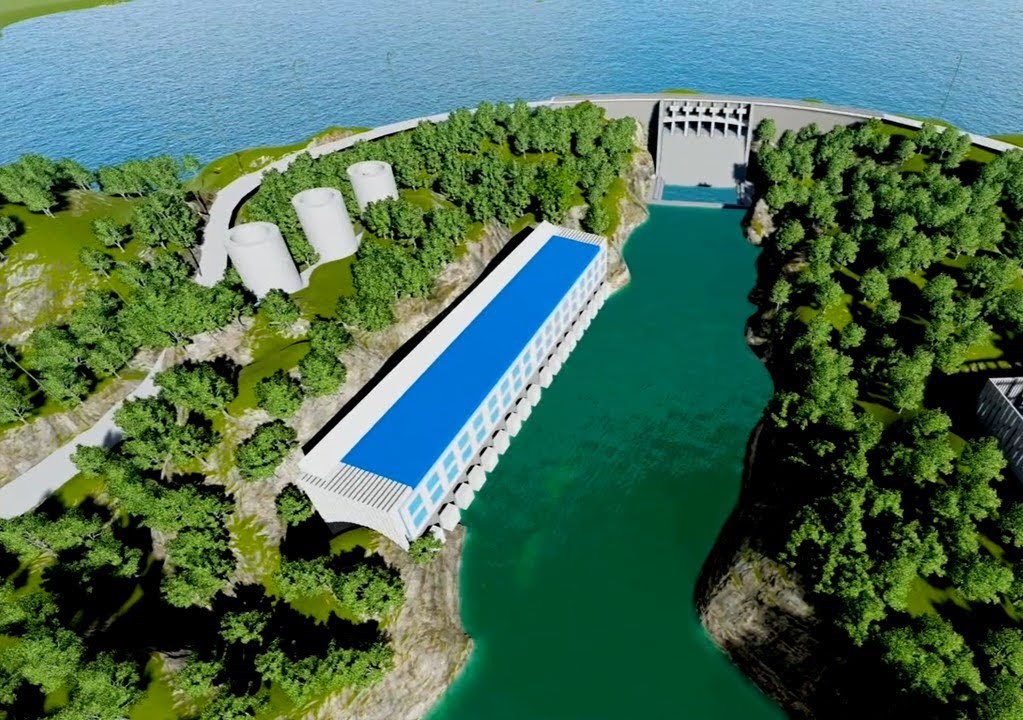
Stiegler's Gorge
Stiegler's Gorge

Marvel at the dramatic landscapes of Stiegler's Gorge, a natural wonder that cuts through the park, providing stunning views and a habitat for diverse species.

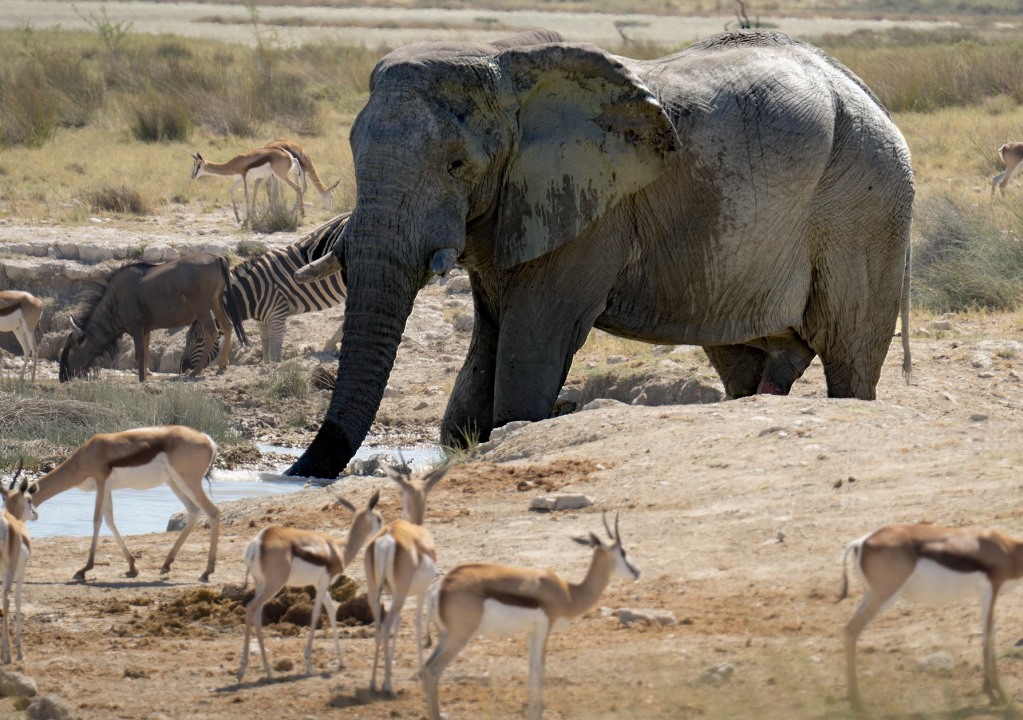
Elephant and Antelopes in Nyerere national park
Diverse Wildlife

The park boasts a rich collection of animals, including lions, elephants, giraffes, zebras, and African wild dogs. It's also a prime spot for birdwatching.

Activities in Nyerere National Park

Guided Walking Safaris

Embark on guided walking safaris to get up close and personal with the park's flora and fauna, led by experienced rangers.

Boat Safaris

Enjoy boat safaris on the Rufiji River, offering a unique perspective of the park's wildlife and stunning scenery.

Game Drives

Participate in thrilling game drives to spot the Big Five and other wildlife in their natural habitat.

Bird Watching

Delight in bird watching with over 400 species of birds, making it a paradise for ornithologists.

Fishing Expeditions

Join fishing expeditions on the Rufiji River, where you can catch a variety of fish species.

Cultural Tours

Engage in cultural tours to learn about the local communities and their traditions.

Photography Safaris

Capture the essence of the park with photography safaris, perfect for both amateur and professional photographers.

Camping Adventures

Experience the wilderness with camping adventures under the African sky.

Accommodations Near Nyerere National Park

Budget Accommodations

Riverside Campsite

Stay at the Riverside Campsite, offering basic amenities and a true wilderness experience at an affordable price.

$30 per night

Eco Lodge

Enjoy the Eco Lodge, providing comfortable accommodations with eco-friendly practices and stunning views.

$50 per night

Standard Accommodations

Safari Lodge

Relax at the Safari Lodge, featuring well-appointed rooms and excellent service, ideal for families and groups.

$120 per night

Bush Camp

Experience the Bush Camp, offering a blend of comfort and adventure with guided tours included.

$100 per night

Luxury Accommodations

Indulge in luxury at the Riverside Retreat, offering premium services and exquisite dining experiences.

$300 per night

Luxury Tented Camp

Stay at the Luxury Tented Camp, providing opulent tents with all modern amenities and breathtaking views.

$350 per night

Exclusive Villas

Private Villa

Enjoy privacy and luxury at the Private Villa, complete with a personal chef and private tours.

$500 per night

Presidential Suite

Experience the ultimate luxury in the Presidential Suite, featuring unparalleled service and stunning decor.

$700 per night

Luxury Safari Lodge

Stay at the Luxury Safari Lodge, offering exclusive suites and personalized safari experiences.

$600 per night

Royal Tented Camp

Indulge in the Royal Tented Camp, combining elegance with nature for a unique experience.

$650 per night

Premier Safari Villa

Relax in the Premier Safari Villa, offering luxurious accommodations and stunning views of the park.

$550 per night

Getting to Nyerere National Park

Nyerere National Park is accessible via multiple transportation options, ensuring a convenient journey for all travelers. Located in southern Tanzania, the park can be reached by road, air, and even water. For those opting for road travel, the park is approximately a six-hour drive from Dar es Salaam. Regular buses and private car hires are available for this scenic route.

For a quicker journey, consider flying into the park. Several domestic airlines offer flights from Dar es Salaam to the nearby Mtemere Airstrip, which is just a short drive from the park's entrance. Alternatively, adventurous visitors can embark on a boat trip along the Rufiji River, providing a unique and picturesque approach to the park. Whichever method you choose, the journey to Nyerere National Park promises to be an unforgettable part of your adventure.

Visitor FAQs for Nyerere National Park

Find answers to the most common questions about planning your visit to Nyerere National Park. From entry fees to the best time to visit, we've got you covered.

What is the best time to visit Nyerere National Park?

The best time to visit Nyerere National Park is during the dry season, from June to October, when wildlife viewing is at its peak and the weather is most favorable.

Are there any entry fees for the park?

Yes, there are entry fees for Nyerere National Park. The fees vary depending on the visitor's nationality and age group. It's advisable to check the latest rates before planning your visit.

What wildlife can I expect to see in the park?

Nyerere National Park is home to a diverse range of wildlife, including elephants, lions, leopards, giraffes, and a variety of bird species. The park's rich biodiversity makes it a prime destination for wildlife enthusiasts.

Are guided tours available in the park?

Yes, guided tours are available and highly recommended for a comprehensive experience. Professional guides offer valuable insights into the park's ecosystem and help ensure a safe and enjoyable visit.

Can I camp inside Nyerere National Park?

Camping is allowed in designated areas within the park. There are several campsites that offer basic facilities, allowing visitors to immerse themselves in the natural surroundings.

What should I pack for my trip to the park?

It's advisable to pack light, breathable clothing, a hat, sunscreen, insect repellent, binoculars, and a camera. Don't forget to bring any personal medications and a refillable water bottle.

Plan Your Adventure to Nyerere National Park

Embark on an unforgettable journey to Nyerere National Park, where breathtaking landscapes and incredible wildlife await. Start planning your trip today and experience the wonders of Tanzania's largest national park. Whether you're seeking thrilling safaris or peaceful nature walks, Nyerere National Park offers something for every traveler.

Mikumi National Park

Mikumi National Park

Discover the Untamed Beauty

Explore Mikumi National Park

Embark on an unforgettable journey through one of Tanzania's most captivating landscapes, where wildlife roams free and nature's splendor is on full display.

Mikumi National Park

Welcome to Mikumi National Park

Nestled in the heart of Tanzania, Mikumi National Park is a sanctuary of breathtaking vistas and diverse wildlife. Spanning over 3,230 square kilometers, it offers a haven for nature enthusiasts and adventure seekers alike. From the vast savannahs teeming with elephants and lions to the lush woodlands echoing with the calls of exotic birds, Mikumi is a testament to the unspoiled beauty of the African wilderness. Its proximity to Dar es Salaam makes it an accessible escape into the wild, where every moment is a chance to witness the wonders of nature.

Why Visit Mikumi National Park?

Abundant Wildlife

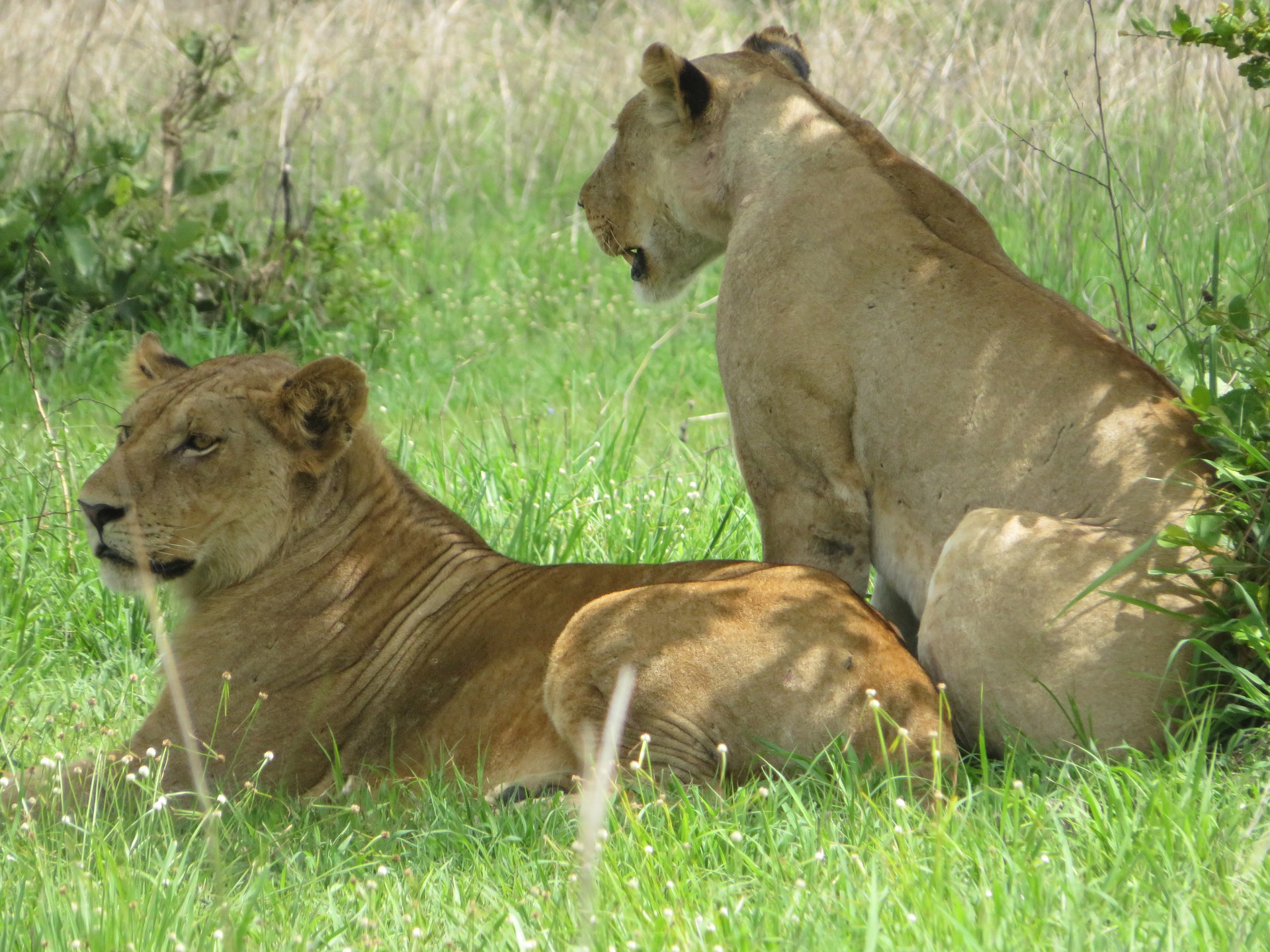
Home to a rich array of species including elephants, giraffes, zebras, and the elusive leopard, Mikumi offers unparalleled wildlife viewing opportunities.

Scenic Landscapes

From the rolling hills to the expansive plains, the park's diverse terrain provides a stunning backdrop for photography and exploration.

Birdwatching Haven

With over 400 bird species, including the rare Lilac-breasted Roller, Mikumi is a paradise for birdwatchers and nature lovers.

Cultural Experiences

Engage with local communities and learn about the rich cultural heritage that surrounds the park, adding depth to your visit.

Accommodation Options

Vuma Hills Tented Camp in Morogoro Tanznaia
Budget-Friendly Campsites

Enjoy a rustic stay with all the essentials at our budget-friendly campsites, perfect for the adventurous traveler.

$50/night

Comfortable Safari Lodges

Relax in our standard safari lodges, offering comfort and convenience with stunning views of the park.

$150/night

Luxury Tented Camps

Indulge in opulence at our luxury tented camps, providing an exquisite blend of comfort and wilderness.

$300/night

Exclusive Private Villas

Experience ultimate privacy and luxury in our exclusive villas, designed for the discerning traveler.

$500/night

Family-Friendly Bungalows

Stay in our spacious bungalows, ideal for families seeking a home away from home in the wild.

$200/night

Reaching Your Destination

Getting to Mikumi National Park is an adventure in itself, offering several convenient transportation options. Visitors can choose to fly into Julius Nyerere International Airport in Dar es Salaam, which is the nearest major airport. From there, you can either rent a car or hire a private transfer for a scenic drive of approximately 4-5 hours to the park. Alternatively, daily bus services are available from Dar es Salaam to Mikumi town, providing a budget-friendly travel option. For those seeking a quicker journey, charter flights are available directly to Mikumi Airstrip, offering a swift and picturesque aerial view of the Tanzanian landscape.

Whether you prefer the flexibility of driving or the ease of a guided transfer, reaching Mikumi National Park is straightforward and rewarding. The park's proximity to major highways ensures a smooth journey, with opportunities to enjoy the stunning scenery along the way. Consider booking a guided tour for a hassle-free experience, allowing you to focus on the breathtaking wildlife and natural beauty that awaits you at your destination.

Visitor FAQs

Planning a trip to Mikumi National Park? Here are answers to some of the most common questions to help you prepare for an unforgettable adventure.

What is the best time to visit Mikumi National Park?

The best time to visit Mikumi National Park is during the dry season, from June to October, when wildlife is more easily spotted around water sources and the weather is pleasant for outdoor activities.

Are there any entrance fees for Mikumi National Park?

Yes, there is an entrance fee for Mikumi National Park. The fees vary for residents, non-residents, and children, and are used for park maintenance and conservation efforts.

What wildlife can I expect to see in Mikumi National Park?

Mikumi National Park is home to a diverse range of wildlife, including elephants, lions, giraffes, zebras, and buffaloes. Birdwatchers will also enjoy spotting over 400 bird species.

What accommodations are available near the park?

Visitors can choose from a variety of accommodations ranging from budget-friendly campsites to luxury lodges, all offering unique experiences and amenities to suit different preferences and budgets.

Is it safe to visit Mikumi National Park?

Yes, Mikumi National Park is considered safe for tourists. However, it is always advisable to follow park guidelines, stay with your group, and listen to your guide's instructions for a safe and enjoyable visit.

Can I book a guided safari tour in Mikumi National Park?

Absolutely! Guided safari tours are available and highly recommended for an enriching experience. Knowledgeable guides will enhance your visit by providing insights into the park's wildlife and ecosystem.

Join Golden Lion Safaris Ltd WhatsApp Channel

For prompt assistance and valuable insights regarding our exceptional products and the captivating world of tourism in Tanzania, we invite you to engage with us directly.

Join Golden Lion Safaris Ltd WhatsApp Channel

For prompt assistance and valuable insights regarding our exceptional products and the captivating world of tourism in Tanzania, we invite you to engage with us directly.

For urgent inquiries, please reach out to one of the following numbers.

Call now!

+255 765 446 100

WhatsApp Chat:

+255 765 446 100

Email:

info@goldenlionsafaris.com

Location

Engutoto, Arusha, Tanzania.

Ruaha National Park

Ruaha National Park

Discover Ruaha National Park

Embark on an unforgettable journey through one of Tanzania's most breathtaking landscapes, where the wild heart of Africa beats strongest.

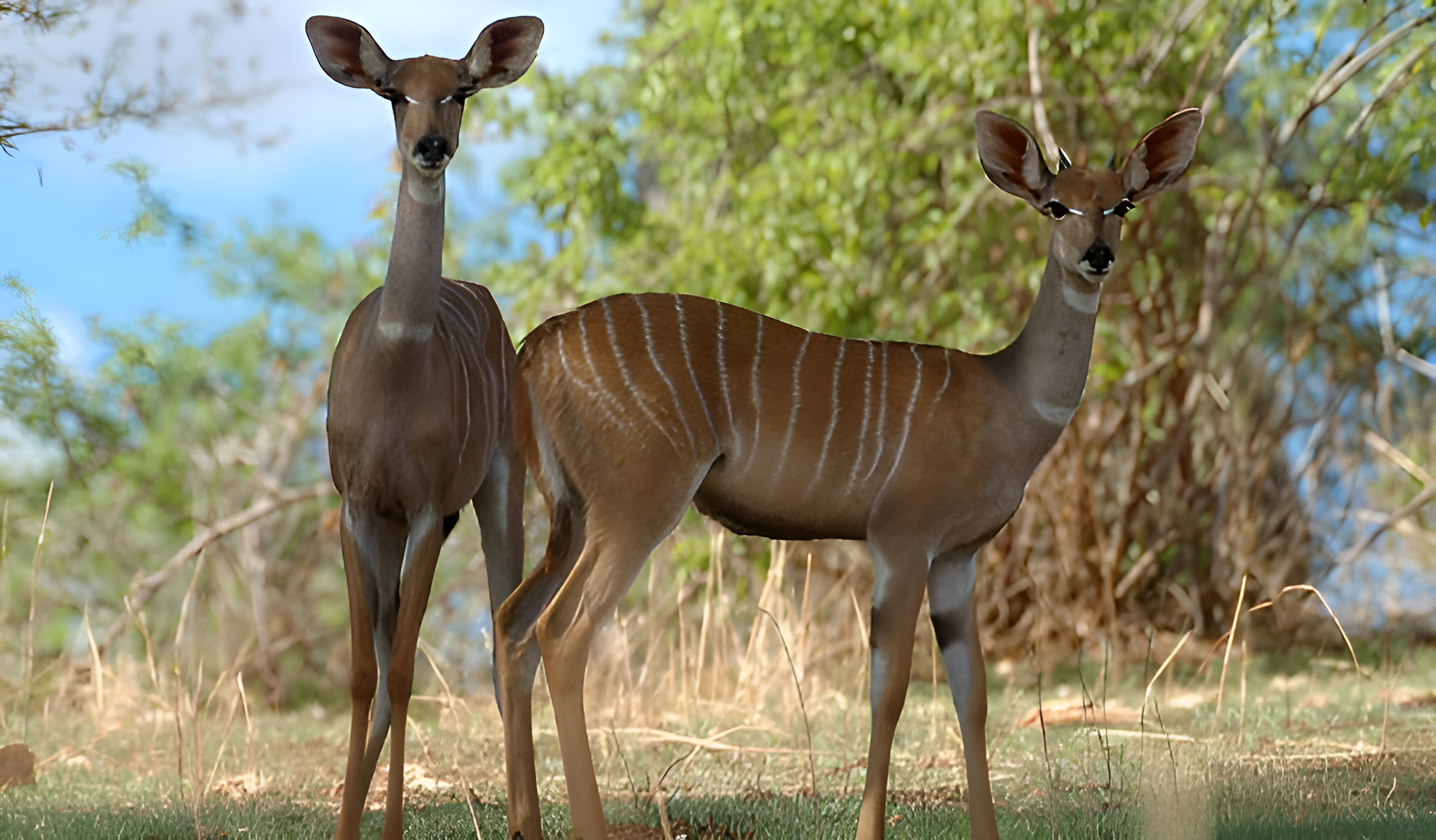
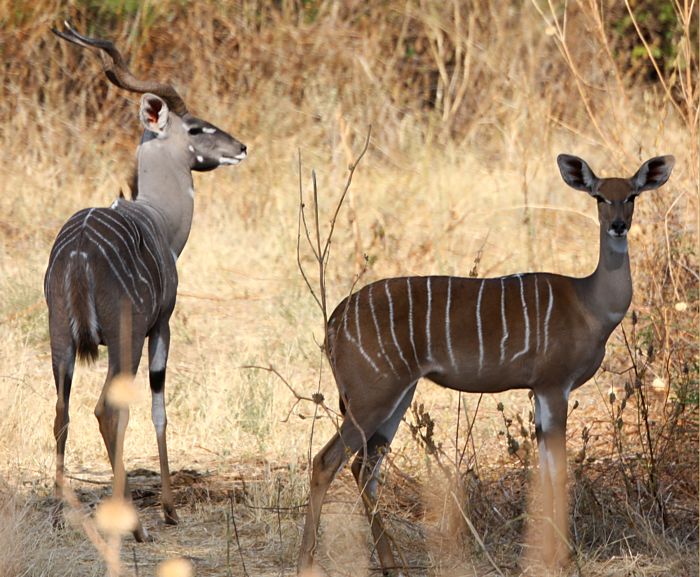
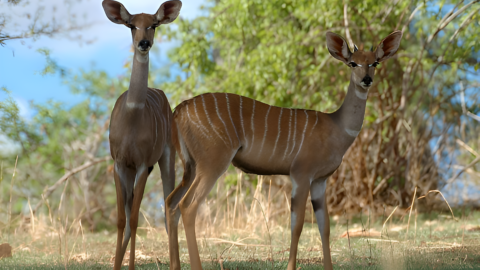
Kudu Antelope in Ruaha National Park

A Hidden Gem in Tanzania

Ruaha National Park: A Sanctuary of Biodiversity

Ruaha National Park, the largest national park in Tanzania, offers a sanctuary for diverse wildlife and stunning landscapes. Known for its vast savannahs and the Great Ruaha River, the park is a haven for elephants, lions, and over 500 bird species. Its remote location ensures an authentic safari experience, away from the crowds, where nature thrives in its purest form.

Why Visit Ruaha National Park?

Ruaha National Park is a paradise for nature enthusiasts and adventure seekers alike.

Abundant Wildlife

Scenic Landscapes

Rich Cultural Heritage

Explore the Wildlife

The Great Ruaha River
A Lifeline for Wildlife

The Great Ruaha River is the park's main water source, attracting a diverse range of animals, especially during the dry season.

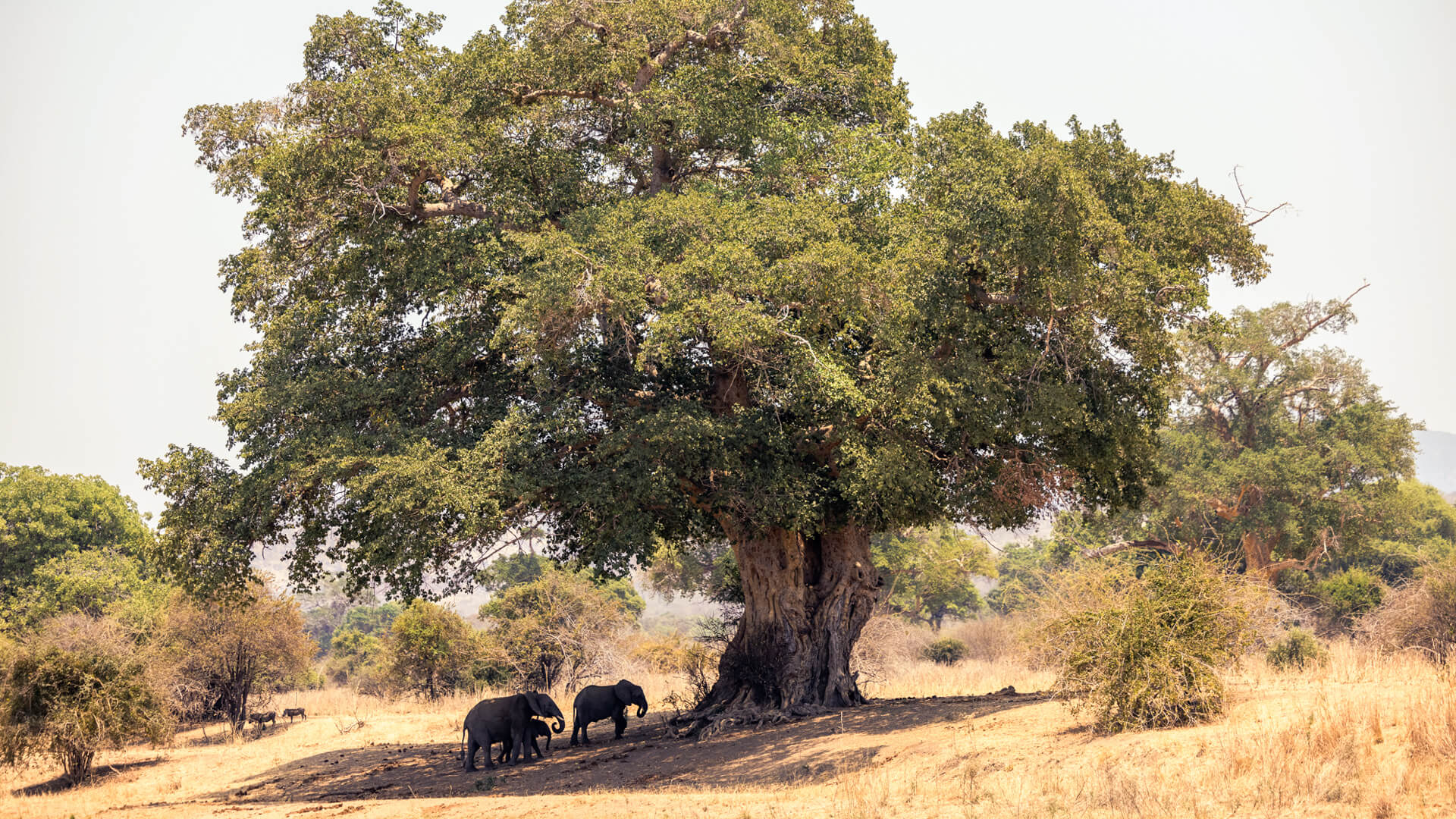
baobab trees and elephant in ruaha national park
Baobab Trees
Majestic Giants

These iconic trees are scattered throughout the park, providing a unique landscape and shelter for various species.

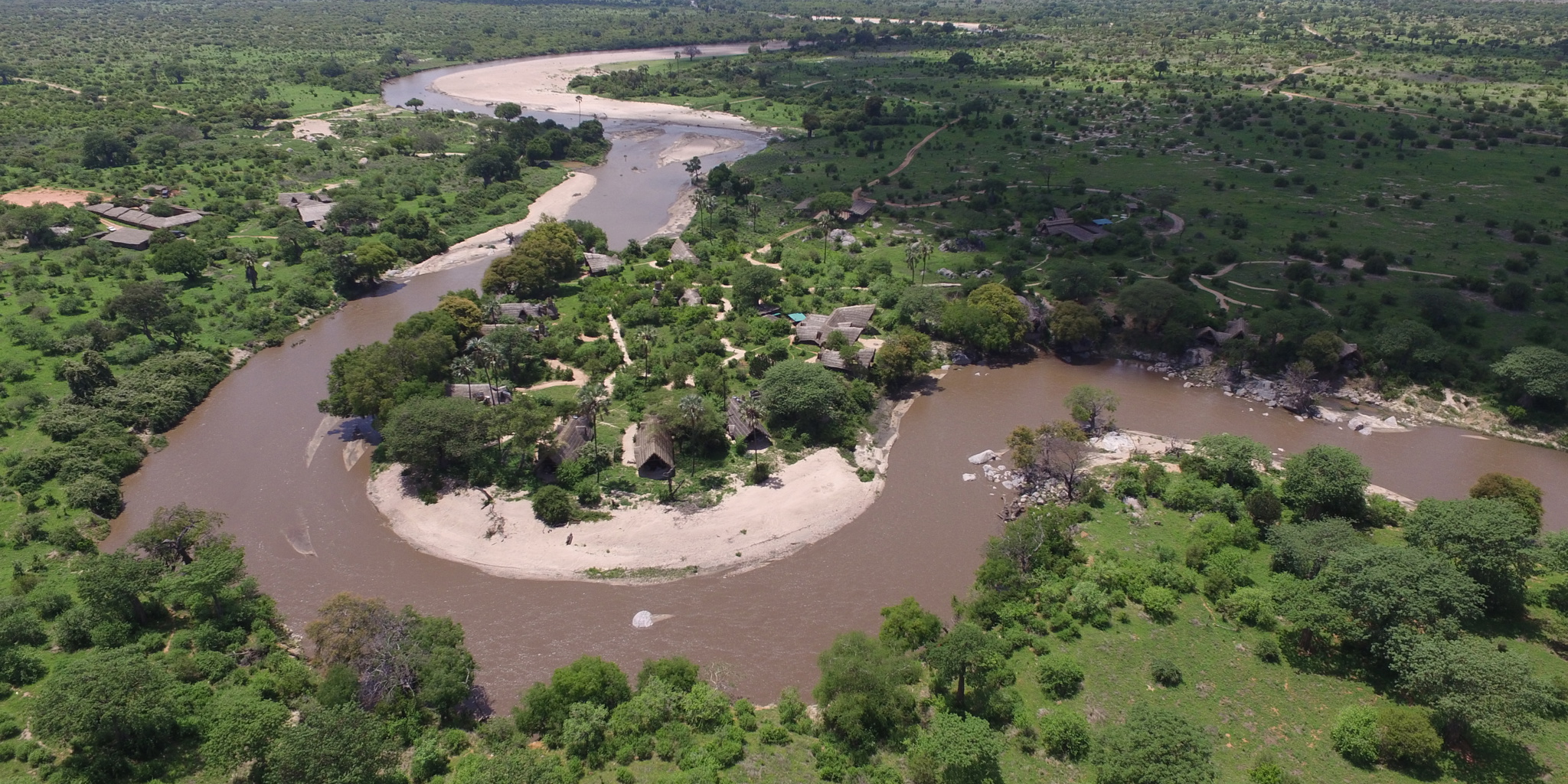
DCIM100MEDIADJI 0004.JPG
Mwagusi Sand River
A Hidden Gem

This seasonal river offers a serene environment and is a popular spot for wildlife viewing, especially elephants.

Adventurous Activities

Ruaha National Park offers a plethora of activities for nature enthusiasts. Embark on thrilling game drives to witness the park's diverse wildlife in their natural habitat. For a more intimate experience, guided walking safaris provide an opportunity to explore the park's flora and fauna up close. Birdwatching is a must, with over 570 species recorded. For those seeking relaxation, enjoy a peaceful picnic by the riverbanks while soaking in the stunning scenery.

Accommodation Options

Budget-Friendly Stays

Ruaha Campsite

Experience the wilderness up close with basic amenities and a true sense of adventure.

$30 per night

Park View Lodge

Affordable comfort with essential facilities and stunning park views.

$50 per night

Standard Comfort

Mdonya Old River Camp

Enjoy comfortable tents with en-suite bathrooms and excellent service.

$150 per night

Ruaha Hilltop Lodge

Offers cozy rooms with modern amenities and panoramic views.

$180 per night

Luxury Retreats

Indulge in luxury with top-notch facilities and personalized service.

$300 per night

Jabali Ridge

Experience opulence with elegant suites, infinity pools, and gourmet dining.

$500 per night

Luxury Retreats

Kwihala Camp

Exclusive tents with lavish interiors and breathtaking views.

$450 per night

Ikuka Safari Camp

Offers a unique blend of luxury and wilderness with stunning vistas.

$400 per night

Ruaha River Lodge

Combines luxury with nature, offering spacious rooms and river views.

$350 per night

Ruaha River Lodge

Combines luxury with nature, offering spacious rooms and river views.

$350 per night

Ruaha River Lodge

Combines luxury with nature, offering spacious rooms and river views.

$350 per night

Traveling to Ruaha National Park

How to Reach Ruaha National Park

Ruaha National Park is accessible by both air and road. For a swift journey, consider flying into the park via chartered flights from Dar es Salaam or Arusha, landing at the Msembe airstrip. For those who prefer road travel, a scenic drive from Iringa offers a glimpse of Tanzania's beautiful landscapes. Ensure your vehicle is equipped for safari conditions, or opt for a guided tour with transportation included.

Your Questions Answered

We've compiled answers to the most common questions about visiting Ruaha National Park to help you plan your adventure.

What is the best time to visit Ruaha National Park?

The ideal time to visit Ruaha National Park is during the dry season, from June to October, when wildlife is more easily spotted near water sources.

Are there accommodation options within the park?

Yes, Ruaha National Park offers a range of accommodations, from budget-friendly campsites to luxury lodges, catering to all preferences and budgets.

What wildlife can I expect to see in Ruaha?

Ruaha is renowned for its large populations of elephants and lions, as well as other wildlife such as giraffes, zebras, and various antelope species.

Is it safe to travel to Ruaha National Park?

Traveling to Ruaha National Park is generally safe. However, it is recommended to follow park guidelines and travel with a reputable tour operator.

What should I pack for a safari in Ruaha?

Pack light, breathable clothing, a hat, sunscreen, binoculars, and a camera to capture the stunning wildlife and landscapes.

Plan Your Adventure Today

Join Golden Lion Safaris Ltd WhatsApp Channel

For prompt assistance and valuable insights regarding our exceptional products and the captivating world of tourism in Tanzania, we invite you to engage with us directly.

Join Golden Lion Safaris Ltd WhatsApp Channel

For prompt assistance and valuable insights regarding our exceptional products and the captivating world of tourism in Tanzania, we invite you to engage with us directly.

For urgent inquiries, please reach out to one of the following numbers.

Call now!

+255 765 446 100

WhatsApp Chat:

+255 765 446 100

Email:

info@goldenlionsafaris.com

Location

Engutoto, Arusha, Tanzania.
Ngorongoro Conservation Area

Ngorongoro Conservation Area

Discover the Wonders of Ngorongoro

Explore Ngorongoro

In this magnificent crater, you will have the opportunity to witness a stunning array of wildlife that captures the essence of Tanzania’s rich biodiversity; the renowned “Big Five” including lions, elephants, rhinos, buffaloes, and leopards roam freely in their natural habitat alongside a myriad of other remarkable species such as graceful zebras, stately wildebeests, and playful hippos, creating an unforgettable experience for visitors. Moreover, for those who cherish the art of bird watching, this extraordinary destination serves as a true haven, boasting an impressive diversity of over 500 avian species; you’ll be captivated by the sight of vibrant flamingos wading in shimmering waters, majestic ostriches roaming the plains, and elegant crowned cranes showcasing their colorful plumage, making every moment a delightful exploration of nature’s wonders.

Getting to Ngorongoro

Step 1

Fly into Kilimanjaro International Airport, the closest major airport, and take a scenic drive to the conservation area.
Step 2

Opt for a domestic flight to Arusha or Lake Manyara airports, followed by a short drive to Ngorongoro.
Step 3

Join a guided safari tour that includes transportation from major Tanzanian cities directly to Ngorongoro.

Best Time to Visit Ngorongoro

Discover the Ideal Seasons

Ngorongoro Conservation Area offers a unique experience year-round, but the best time to visit is during the dry seasons from June to October and December to February. During these months, the weather is mild and wildlife viewing is optimal, as animals congregate around water sources. The lush green landscapes after the short rains in November and the long rains from March to May provide a stunning backdrop for photography, though some roads may be challenging to navigate. Each season offers a distinct perspective on the area’s rich biodiversity and breathtaking scenery.

For those interested in witnessing the Great Migration, the months of June and July are ideal. The calving season from January to February is also a spectacular time to visit, as it attracts predators and offers a chance to see new life in the wild. Regardless of when you choose to visit, Ngorongoro’s temperate climate and diverse ecosystems ensure an unforgettable adventure.

Accommodation Options in Ngorongoro

  • Budget: Simba Campsite – Offers basic amenities and a chance to connect with nature.
  • Budget: Rhino Lodge – Provides comfortable lodging with a focus on sustainability.
  • Mid-range: Ngorongoro Sopa Lodge – Features panoramic views and modern conveniences.
  • Mid-range: Ngorongoro Wildlife Lodge – Known for its strategic location and cozy atmosphere.
  • Luxury: Ngorongoro Crater Lodge – Offers opulent suites with breathtaking crater views.
  • Luxury: The Highlands – Combines luxury with adventure in a unique dome-shaped design.
  • Budget: Endoro Lodge – Offers eco-friendly accommodations with local charm.
  • Budget: Crater Forest Tented Camp – Provides a rustic experience amidst nature.
  • Mid-range: Ngorongoro Farm House – Combines comfort with a touch of history.
  • Mid-range: Acacia Farm Lodge – Known for its warm hospitality and serene environment.
  • Luxury: Neptune Ngorongoro Luxury Lodge – Offers exclusive suites with personalized service.
  • Luxury: Entamanu Ngorongoro – Provides luxury tents with stunning crater views.
  • Budget: Karatu Simba Lodge – Offers affordable rates with a focus on community support.
  • Budget: Octagon Lodge – Provides a cozy stay with a personal touch.
  • Mid-range: Tloma Lodge – Known for its beautiful gardens and tranquil setting.
  • Mid-range: Kitela Lodge – Offers a peaceful retreat with modern amenities.
  • Luxury: Sanctuary Ngorongoro Crater Camp – Combines luxury with an authentic safari experience.
  • Luxury: Lemala Ngorongoro Tented Camp – Offers exclusive access to the crater rim.

Top Attractions in Ngorongoro

Ngorongoro Crater

Explore the world’s largest inactive volcanic caldera, home to diverse wildlife and stunning landscapes.

Olduvai Gorge

Visit the cradle of mankind, where some of the earliest human fossils were discovered.

Empakaai Crater

Hike to this serene crater, known for its beautiful lake and flamingo population.

Olmoti Crater

Enjoy a guided walk to this lesser-known crater, offering breathtaking views and a tranquil atmosphere.

Exciting Activities in Ngorongoro

Ngorongoro Conservation Area offers a plethora of activities for tourists.

Game drives:  You can embark on thrilling game drives to witness the Big Five in their natural habitat.

Cultural Tours: For those interested in culture, visiting the Maasai villages provides an authentic experience of the local traditions and lifestyle.

Walking Tour: Hiking enthusiasts can explore the scenic trails around the crater rim, offering breathtaking views and a chance to spot unique flora and fauna.

Bird Watching: Bird watchers will delight in the diverse species found in the area.

Photographic: Photography aficionados can capture stunning landscapes and wildlife moments.

Visiting Olduvai Gorge: Don’t miss the opportunity to explore the archaeological sites at Olduvai Gorge, known as the cradle of mankind.

Google Map Direction

Google Maps provides the most convenient route from the iconic Arusha clock tower to the Ngorongoro entry gate, ensuring that your journey through this beautiful landscape is both efficient and enjoyable. With just a few taps, you can access clear, step-by-step directions that will guide you seamlessly along the way, allowing you to focus on the stunning scenery and the rich wildlife that awaits you at your destination. This essential tool not only helps you navigate but also enhances your overall travel experience to one of Tanzania’s most breathtaking locations.

Frequently Asked Questions – FAQs

Planning a visit to Ngorongoro Conservation Area? Here are some common questions and answers to help you prepare for your trip.

What is the best time to visit Ngorongoro?

The best time to visit Ngorongoro is during the dry season, from June to October, when wildlife viewing is at its peak and the weather is pleasant.

How do I get to Ngorongoro Conservation Area?

You can reach Ngorongoro by flying into Kilimanjaro International Airport and then taking a road transfer or a domestic flight to the nearby airstrips.

Are there accommodation options inside Ngorongoro?

Yes, Ngorongoro offers a range of accommodations from luxury lodges to budget-friendly campsites, all providing stunning views and easy access to the crater.

What wildlife can I expect to see in Ngorongoro?

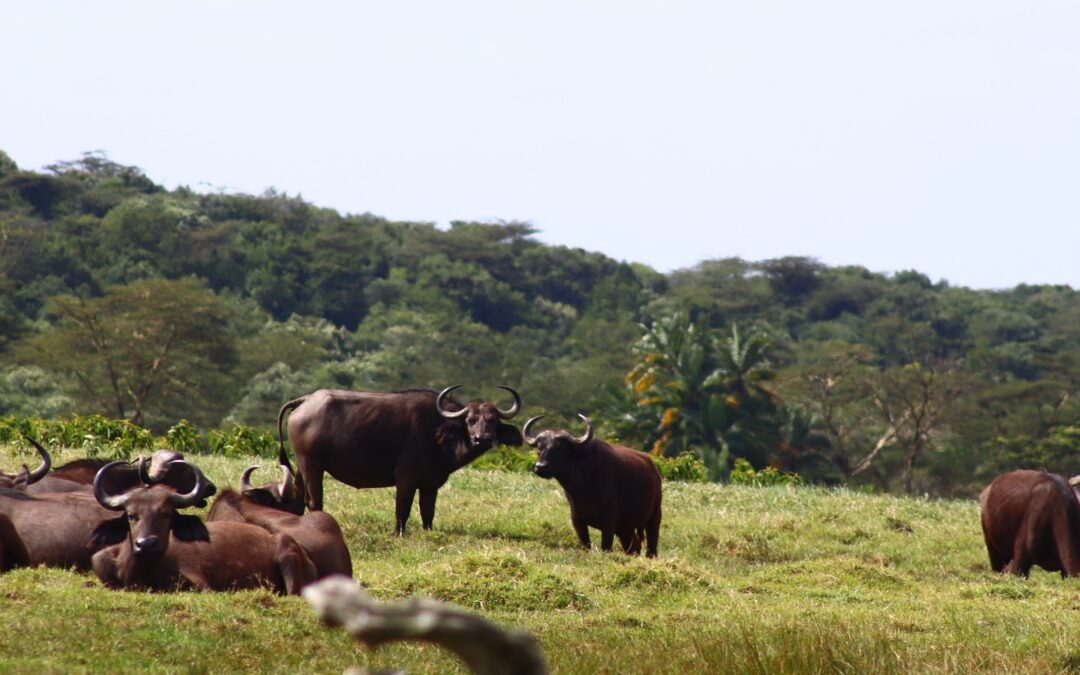
Ngorongoro is home to the Big Five, including lions, elephants, rhinos, leopards, and buffalo, as well as numerous other species like zebras, wildebeests, and flamingos.

Can I visit the Maasai villages in Ngorongoro?

Yes, visiting Maasai villages is a popular cultural activity where you can learn about their traditions, dances, and crafts.

Is it safe to travel to Ngorongoro?

Ngorongoro is generally safe for tourists. However, it’s important to follow park regulations and travel advisories to ensure a safe and enjoyable visit.

Parks Packages

Amidst exploring other remarkable national parks and stunning destinations throughout Tanzania, these thoughtfully crafted itineraries offer travelers the incredible opportunity to experience the majestic Parks.

Related Top Destinations

Arusha National Park

Arusha National Park

Discover the Wonders of Arusha National Park

Explore the Heart of Tanzania’s Natural Beauty

Immerse yourself in the breathtaking landscapes and diverse wildlife of Arusha National Park, a hidden gem in Tanzania’s tourism crown.

Scenic Views

Wildlife Encounters

Cultural Experiences

Adventure Activities

Highlights

Stunning Mount Meru

Marvel at the majestic Mount Meru, offering stunning vistas and challenging hikes for adventure seekers.

Rich Biodiversity

Encounter a wide array of wildlife, including giraffes, elephants, and rare bird species, in their natural habitat.

Ngurdoto Crater

Explore the lush Ngurdoto Crater, often referred to as the ‘Little Ngorongoro,’ home to unique flora and fauna.

Momella Lakes

Witness the vibrant colors of the Momella Lakes, a paradise for bird watchers and nature enthusiasts.

Red Colobus in Arusha National Park

Optimal Seasons to Visit

Best Time

Arusha National Park offers a unique experience throughout the year, but the dry season from June to October is often considered the best time to visit. During these months, the weather is pleasantly cool and dry, making it ideal for wildlife viewing as animals gather around water sources. The wet season, from November to May, transforms the park into a lush, green paradise, perfect for birdwatching enthusiasts.

For those interested in hiking and exploring Mount Meru, the dry season provides clearer skies and more stable trails. However, the wet season, particularly from March to May, can offer a quieter experience with fewer tourists, allowing for a more intimate connection with nature.

Ultimately, the best time to visit depends on your interests. Whether you’re keen on spotting wildlife or enjoying the vibrant flora, Arusha National Park has something to offer year-round.

Accommodation Options

  • Budget: Mvuli Hotel – Offering affordable rates with comfortable amenities, Mvuli Hotel is perfect for budget travelers.
  • Budget: Arusha Backpackers – A great choice for solo travelers and groups, providing basic facilities and a friendly atmosphere.
  • Mid-range: Arusha Serena Hotel – Nestled in a coffee plantation, this hotel offers a serene environment with modern comforts.
  • Mid-range: Karama Lodge – Known for its eco-friendly approach, this lodge provides a cozy stay with stunning views.
  • Luxury: Ngurdoto Mountain Lodge – This luxury lodge offers exquisite rooms and top-notch services amidst beautiful landscapes.
  • Luxury: Arusha Coffee Lodge – Experience ultimate luxury with elegant accommodations and gourmet dining options.
  • Budget: The Outpost Lodge – A charming lodge offering affordable rooms with a warm, welcoming atmosphere.
  • Budget: Arusha Center Inn – Centrally located, this inn provides basic amenities at a reasonable price.
  • Mid-range: Mount Meru Hotel – Enjoy a comfortable stay with excellent facilities and easy access to the park.
  • Mid-range: Ilboru Safari Lodge – A popular choice for families, offering spacious rooms and a relaxing pool area.
  • Luxury: Gran Melia Arusha – Indulge in luxury with world-class services and breathtaking views of Mount Meru.
  • Luxury: Lake Duluti Lodge – An exclusive retreat offering privacy and luxury amidst stunning natural surroundings.
  • Budget: Green Mountain Hotel – Offers budget-friendly accommodations with essential amenities and a convenient location.
  • Budget: Arusha Tourist Inn – Provides simple, clean rooms for travelers on a budget.
  • Mid-range: Kibo Palace Hotel – Features modern amenities and a prime location for exploring the park.
  • Mid-range: Planet Lodge – Known for its comfortable rooms and beautiful gardens, perfect for a relaxing stay.
  • Luxury: The African Tulip – A boutique hotel offering luxurious rooms and personalized services.
  • Luxury: Rivertrees Country Inn – Combines rustic charm with luxury, offering a peaceful escape in nature.

Must-See Attractions

Momella Lake, Arusha, Tanzania
Momella Lakes
Scenic Beauty and Birdwatching

The Momella Lakes are a series of shallow alkaline lakes that attract a wide variety of waterfowl, including flamingos. The surrounding landscapes offer stunning views and are perfect for photography enthusiasts.

Ngurdoto Crater, Arusha, Tanzania
Ngurdoto Crater
The Little Ngorongoro

Often referred to as the ‘Little Ngorongoro,’ Ngurdoto Crater is a lush caldera teeming with wildlife. Visitors can enjoy breathtaking views from the rim and spot animals like buffalo and warthogs in the crater floor.

Mt Meru, Arusha Tanzania
Mount Meru
Trekking Adventure

Mount Meru offers an exhilarating trekking experience for adventure seekers. The climb provides spectacular views of the surrounding landscapes and a chance to see diverse flora and fauna along the trails.

Engaging Activities

Explore

Arusha National Park offers a plethora of activities for nature enthusiasts and adventure seekers. Visitors can embark on guided walking safaris, providing an up-close experience with the park’s diverse wildlife and stunning landscapes. Canoeing on the Momella Lakes offers a unique perspective of the park’s aquatic life and bird species. For those interested in a more traditional safari, game drives are available, offering the chance to spot giraffes, zebras, and the elusive colobus monkeys. Additionally, the park provides opportunities for mountain climbing, with Mount Meru offering a challenging yet rewarding trek.

Big Elephant Family in Tarangire National Park, Arusha, Tanzania

Navigate with Ease

Google Map Directions

To reach Arusha National Park, start your journey from Arusha city, which is approximately 25 kilometers away. Head east on the A104 highway, following the signs towards Moshi. After about 10 kilometers, take a left turn onto the B144 road, which leads directly to the park entrance. For precise navigation, use Google Maps by entering ‘Arusha National Park’ as your destination. This will provide you with real-time directions and estimated travel time, ensuring a smooth and hassle-free journey to the park.

Frequently Asked Questions

Find answers to common questions about visiting Arusha National Park to enhance your travel experience.

What is the best time to visit Arusha National Park?

The best time to visit Arusha National Park is during the dry season, from June to October, when wildlife viewing is at its peak and the weather is most favorable for outdoor activities.

How can I get to Arusha National Park?

Arusha National Park is easily accessible by road from Arusha city, located just 25 kilometers away. Visitors can hire a taxi or use a Tourism Consultant for convenient transportation.

Are there accommodations available within the park?

Yes, there are several accommodation options within and around Arusha National Park, ranging from budget campsites to luxury lodges, catering to various preferences and budgets.

What wildlife can I expect to see in the park?

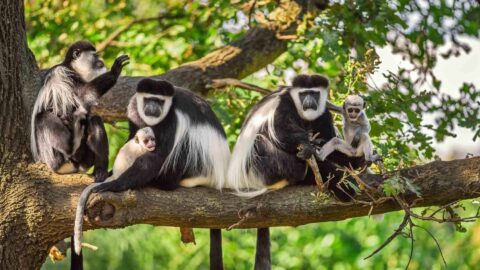
Visitors can expect to see a variety of wildlife, including giraffes, zebras, buffaloes, and diverse bird species. The park is also home to the rare black-and-white colobus monkeys.

Is it safe to visit Arusha National Park?

Arusha National Park is generally safe for visitors. It is advisable to follow park regulations and be accompanied by a guide during safaris and hikes for added safety.

Can I climb Mount Meru while visiting the park?

Yes, climbing Mount Meru is a popular activity for visitors to Arusha National Park. It requires a guided trek, which can be arranged through local Tourism Consultants.

What activities are available for families?

Families can enjoy a variety of activities, including guided walking safaris, canoeing on the lakes, and picnicking in designated areas, making it a great destination for all ages.

Do I need a guide to explore the park?

While not mandatory, hiring a guide is highly recommended to enhance your experience and ensure safety, as they provide valuable insights into the park’s flora and fauna.

Are there any cultural experiences available near the park?

Yes, visitors can explore nearby Maasai villages to experience local culture and traditions, offering a deeper understanding of the region’s heritage.

Plan Your Adventure

Discover the breathtaking landscapes and diverse wildlife of Arusha National Park. Start planning your unforgettable journey today and immerse yourself in the natural beauty that awaits.

Giraffes in Arusha National Park

Parks Packages

Amidst exploring other remarkable national parks and stunning destinations throughout Tanzania, these thoughtfully crafted itineraries offer travelers the incredible opportunity to experience the majestic Parks.

Related Top Destinations